SEED Madagascar
“24 million people are living on less than 4,000 ariary ($0.89USD) per person per day.”
- World Bank, 2022

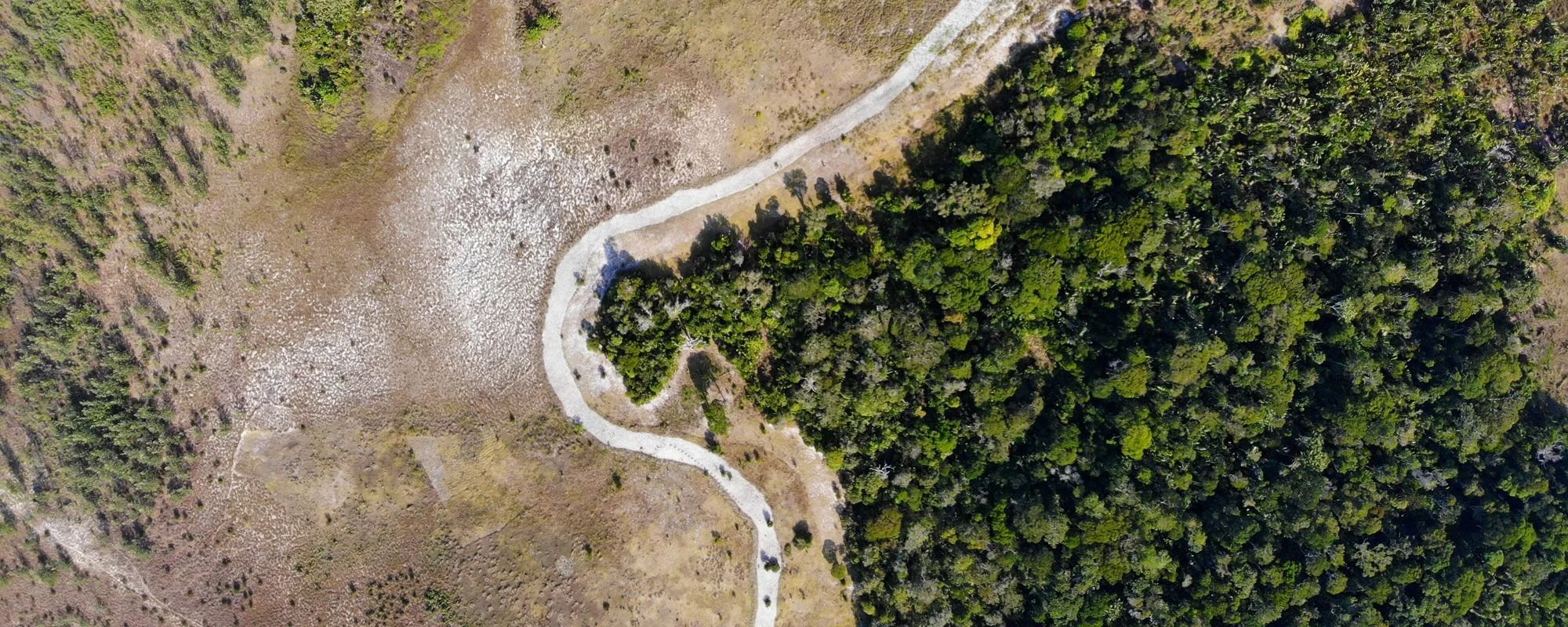
SEED Madagascar is an award-winning British registered charity. Operating in southeast Madagascar, it manages a wide range of sustainable development and conservation projects across the Anosy region. Alongside this, it aims to raise global awareness of Madagascar’s unique needs and build constructive partnerships to aid development.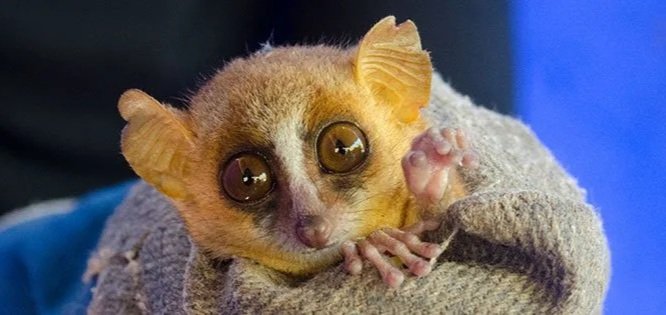
Biodiversity
Madagascar is among the world's most significant biodiversity hotspots. The level of endemism among its flora and fauna is estimated at over 80%.
Best known for its unique inhabitant, the lemur, Madagascar is home to 100 species and subspecies of lemur, from the swaggering ringtail to the enigmatic aye-aye, and tiny dwarf and mouse lemurs that can sit in the palm of your hand. Lemurs today face many different threats; through the loss of habitat, hunting for bushmeat and capture for the pet trade.
Madagascar is also home to many exotic, endemic and endangered birds and around 12,000 flowering plant species, some 10,000 are thought to be found nowhere else on earth.
Community
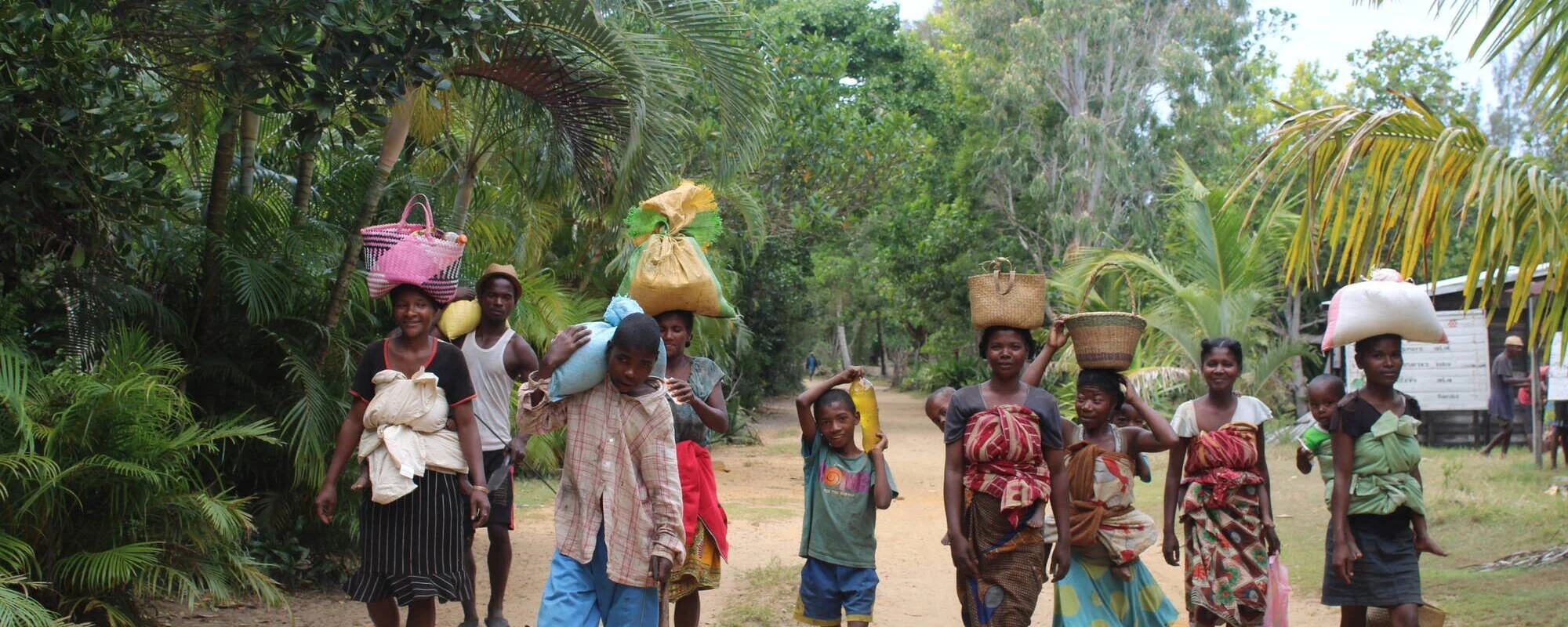
Second to none in their reputation for friendliness and generosity, the people of Madagascar make up an ethnically diverse population of around 31 million. Ranking 177/195 on the Human Development Index, Madagascar remains one of the poorest and least developed countries in the world. It is estimated that approximately 458,700 of children under five years of age are likely to suffer from acute malnourishment, contributing to a variety of further health issues. Access to health workers and facilities further exacerbate these issues, with over half of the country’s population living more than 5km from a health centre.
The role of women in Madagascar is that of child bearer and household manager, with girls typically marrying and having children from as young as 12. Women's livelihood options and engagement in civil society are notably restricted by cultural expectations. Knowledge of and access to family planning options are also extremely limited. Already limited Government educational services rarely reach rural communities and state-provided health facilities are seriously under-funded.
Rural Livelihoods
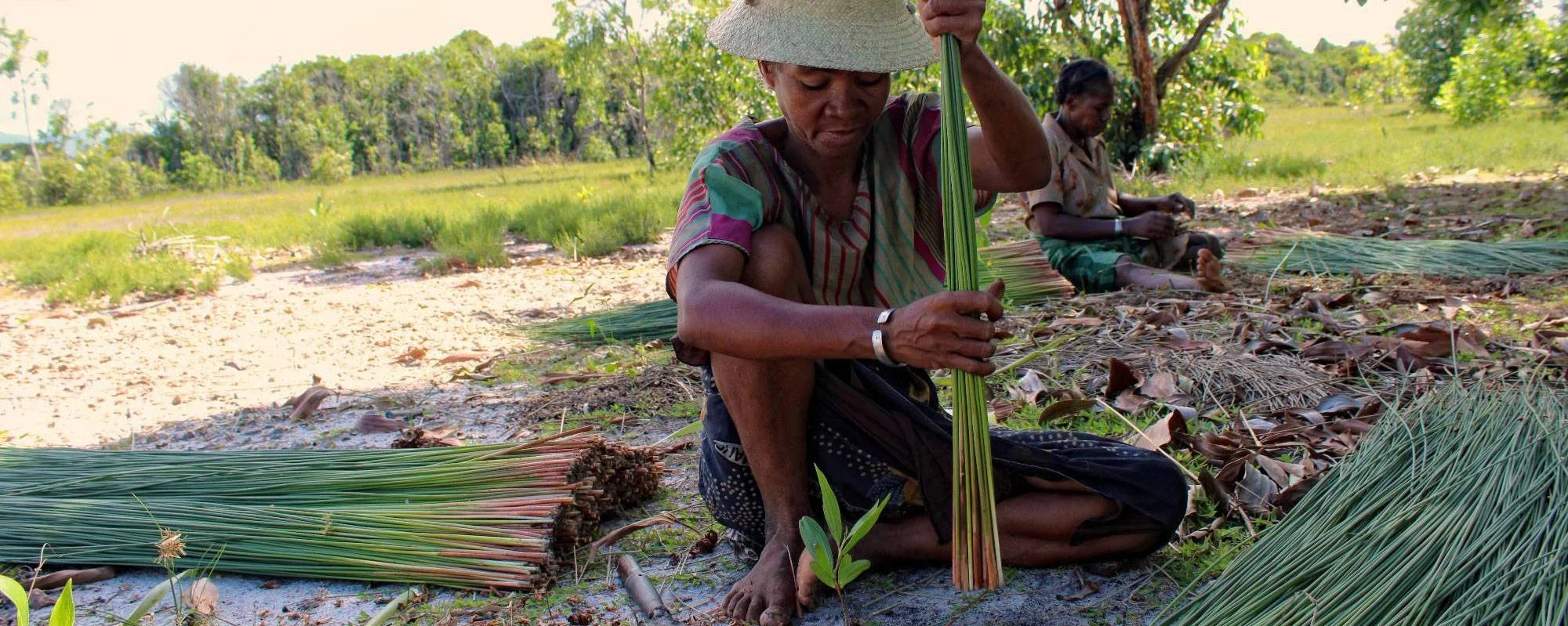
Most Malagasy people have to rely on the land to scrape a living through agriculture and fishing, struggling to earn enough money to feed themselves and their families. Where SEED works, in the isolated Anosy region of southeast Madagascar, poverty levels are amongst the highest in the country with a serious lack of employment opportunities, particularly for women.
[left photo] Project Mahampy - working to improve the sustainability of mahampy reed weaving as a traditional women’s livelihood activity in southeast Madagascar.
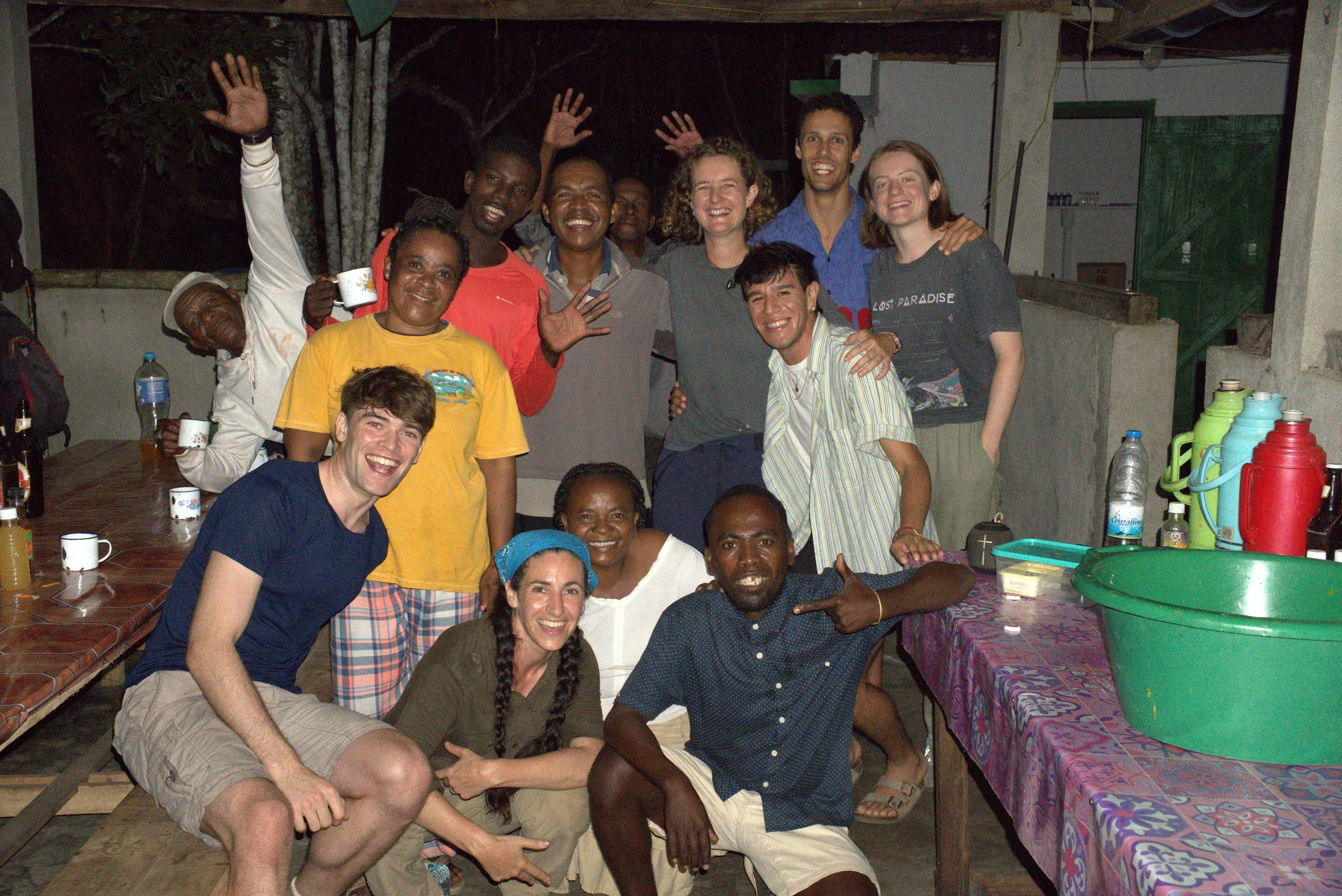
My time with SEED
In 2025, I decided that I wanted to explore my passion for conservation and show my support through volunteering for an organisation that I believed in.
I heard about SEED Madagascar when I began looking into these programs and they stood outto me because of their wholistic approach to tackling this infinitely complicated issue, and inspired me to volunteer with their conservation team in Saint-Luce (southeast Madagascar).
Learning more about the organisation and seeing the hard work that both the locals and the members of SEED are doing there, left me wanting to continue supporting them upon returning home and I have since taken the role of an ‘Ambassador’.
If you would like to learn more about SEED Madagascar, please be sure to check out their website. OR if you would like to make a donation towards supporting their projects, please follow the ‘SUPPORT’ button below.